

Using AI as a Safe, Responsible, and Effective Companion on Your Journey to Health
In today’s tech-driven world, Artificial Intelligence (AI) is showing up in every corner of healthcare and weight loss is no exception. Whether you’ve had bariatric surgery, are using GLP-1 medications like Semaglutide (Wegovy) or Tirzepatide (Mounjaro) , or simply want to build healthier habits, AI can be a powerful ally.
Think of AI as your personal digital assistant , one that helps you plan meals, track habits, and keep you motivated. But here’s the golden rule: it’s not a replacement for your healthcare team. Your dietitian, bariatric surgeon, and medical provider are still the strategists , AI just helps make their plan easier to follow and stick to.
In this article, we’ll explore how AI can work alongside professional advice to support your weight loss journey safely, effectively, and maybe even make it more enjoyable.
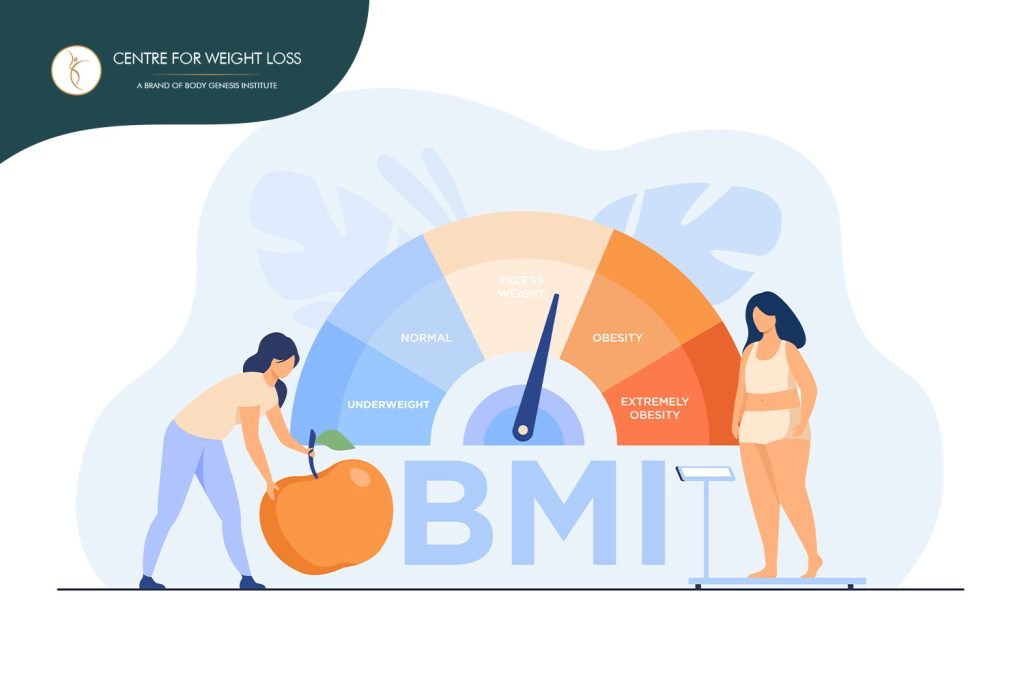
Why Weight Loss Takes More Than Willpower
Sustainable weight loss , especially after bariatric surgery or when using GLP-1s , isn’t just about “eat less, move more.” It often means navigating:
- Nutrient deficiencies
- Emotional eating patterns
- Changes in your gut microbiome
- Hormonal shifts
- Body image and mental health challenges
AI tools can help you monitor your progress, spot trends, and nudge you towards healthier, evidence-based choices.
1. AI as Your Personal Meal Planning Partner
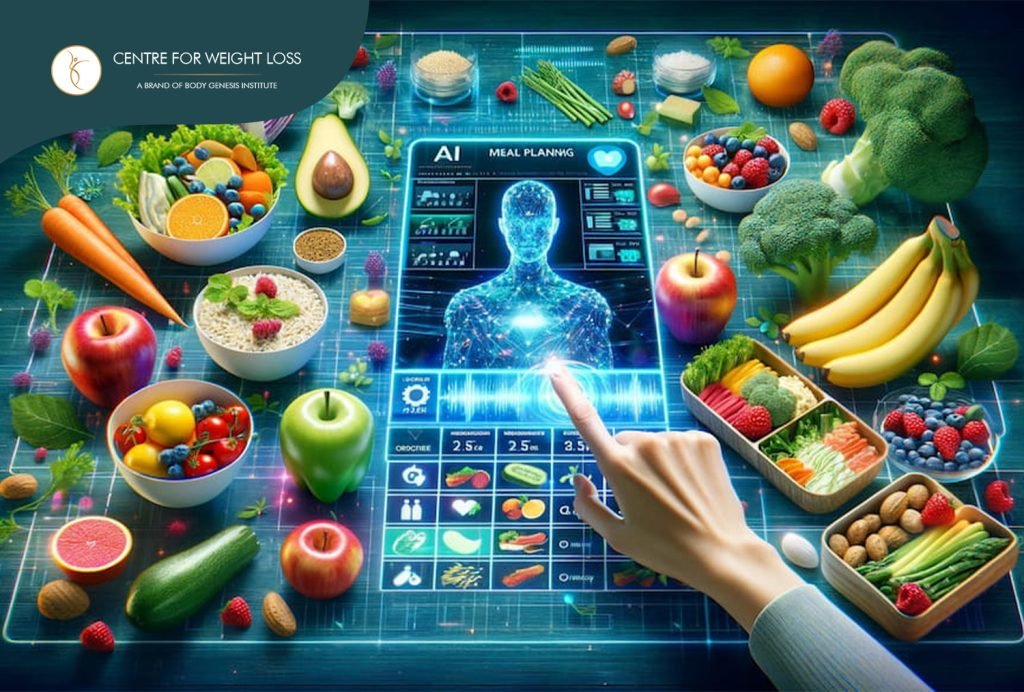
After surgery or on GLP-1s, eating enough of the right nutrients in smaller volumes can be tricky. AI apps like NutriSense, MyFitnessPal with AI meal suggestions, or custom platforms can:
- Recommend high-protein, low-volume meals
- Suggest GLP-1 friendly recipes to ease nausea and boost satiety
- Track macro and micronutrient intake
- Flag potential nutrient gaps
Pro Tip: AI can suggest what to eat, but only a qualified dietitian can personalise those recommendations for your unique needs.
2. AI for Building and Tracking Healthy Habits
Lasting weight loss is about behaviour change. AI can:
- Spot patterns in your eating, movement, and m
- Send gentle reminders to hydrate, move, or eat mindfully
- Link lifestyle factors like sleep and stress to cravings
- Support mindful eating with apps like Ate or Noom AI
These insights become even more valuable when you share them with your care team for fine-tuning.
3. AI Support for Emotional Eating
Even if GLP-1s reduce hunger, emotional eating can still sneak in. AI-based mental health tools like Woebot or Wysa offer:
- Chat-based CBT (Cognitive Behavioural Therapy)
- Mood check-ins and thought-reframing prompts
- Mindfulness tools you can use anytime
While these can’t replace therapy, they provide accessible, 24/7 support between appointments.
4. AI to Keep You Moving
Fatigue after surgery or on GLP-1s can make exercise feel daunting. Apps like Freeletics, Fitbod, or Apple Fitness+ can:
- Suggest short, low-impact workouts
- Adjust routines to match your energy levels
- Offer gentle, real-time coaching for safe progress
When combined with physiotherapist guidance, these tools can help you build strength and stamina safely.
5. Why Human Expertise Still Wins
AI is here to enhance — not replace — the skill of your health professionals:
- Dietitians: tailor nutrition for post-surgery needs
- Doctors: adjust medication and interpret lab results
- Therapists: address emotional triggers
- Nurses: guide recovery and vitamin adherence
Bringing AI-collected data (like food logs or symptom trackers) to your appointments makes your care more personalised and precise.
Real-Life AI Tools in Action Provide Hyperlinks in below text as well
- Calorie Mama AI / CalAI – Photo-based meal logging
- ChatGPT – Meal ideas, recipe tweaks, motivation scripts
- MyFitnessPal (AI-enhanced) – Pattern spotting and personalised nudges
- Noom – Behaviour change coaching
- Wysa / Woebot – Mindset and emotional support
- Fitbod / Freeletics – Adaptive fitness programs
- NutriSense – AI-powered glucose insights
Use Responsibly: Always review AI suggestions with your care team, and use them to complement , not replace , expert advice.
Final Takeaway – The Best Results Come from Partnership

Technology can write recipes, track your steps, and even offer a pep talk when you need it. But your healthcare team is still the compass that keeps you on course. This is where creating your own ‘Circle of Trust’ is crucial.
Check out webinar series ‘Success Beyond Scales’ to learn more on how to create you “Circle of Trust”
At Body Genesis Institute, we believe in blending human expertise with smart tech for the best outcomes. When AI and professional guidance work hand-in-hand, your weight loss journey becomes safer, smarter, and more sustainable.