Bariatric Surgery Options
Lose Weight. Gain Life. Expert Bariatric Surgery in Melbourne at Centre For weight Loss
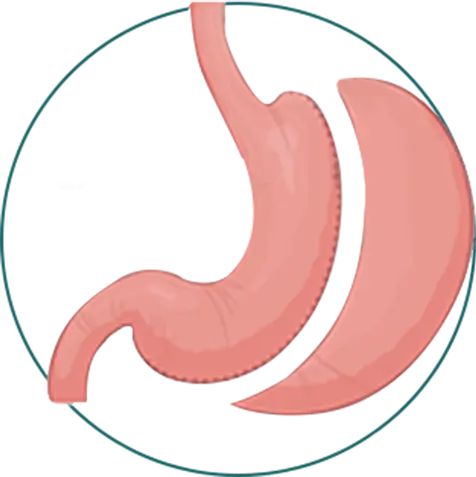
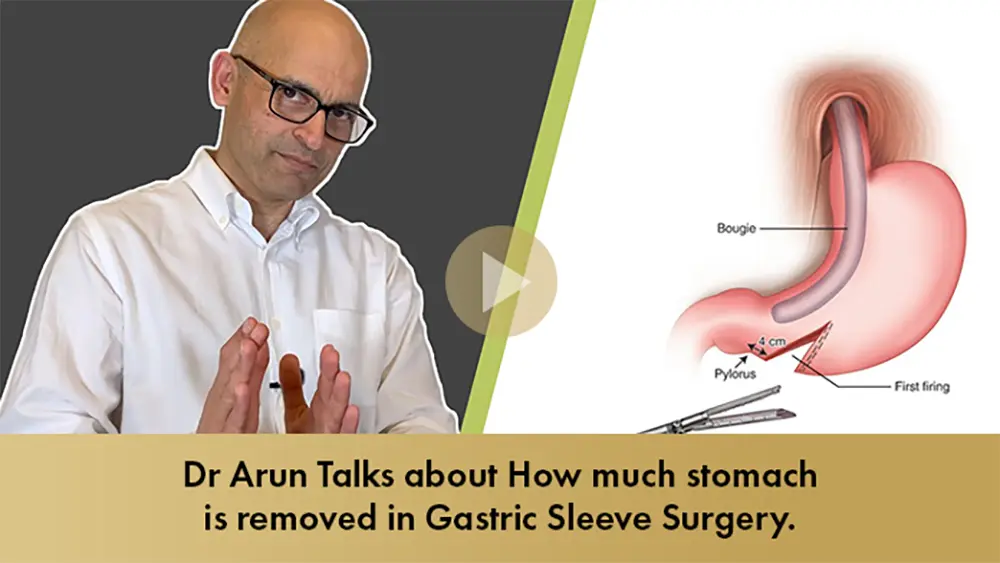
The Gastric Sleeve could be a suitable option for you if you have
• A body mass index (BMI) greater than 40
• Or greater than 35 if you experience a weight-related illness e.g. type 2 diabetes, hypertension, sleep apnoea etc.
• Tried other methods of weight loss, such as dieting, without long-term success.
What to expect?
- Reduces the physical space in your stomach – making you feel full with smaller portions of food.
- The part of the stomach that is removed influences our hunger hormones (hunger signals decrease & signals for fullness increase).
- Complex changes to your metabolism, gut bacteria, hormones and digestion post-surgery also contribute to your ability to lose weight.
- Around 25-30% of your total body weight. Results can vary.

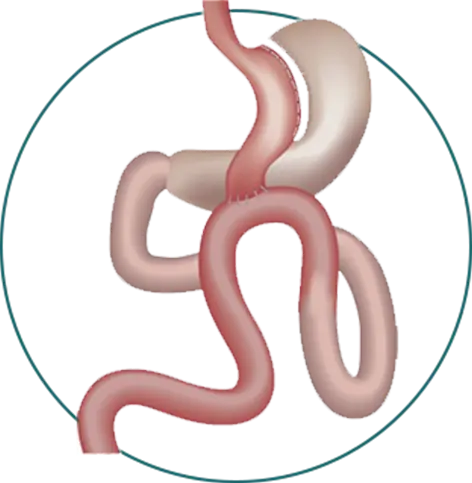
Mini Gastric Bypass could be a suitable option for you if you have
• A body mass index (BMI) greater than 40
• or greater than 35 if you experience a weight-related illness e.g. type 2 diabetes, hypertension, sleep apnoea etc.
• Reflux or heartburn is not an issue
• Have had previous lap band or gastric stapling
operations
- Reduces the physical space in your stomach – making you feel full with smaller portions of food.
- Hunger signals decrease & signals for fullness increase.
- Complex changes to your metabolism, gut bacteria, hormones and digestion post-surgery also contribute to your ability to lose weight.
- Fewer amount of calories are absorbed from food.
- Around 30-40% of your total body weight. Results can vary.
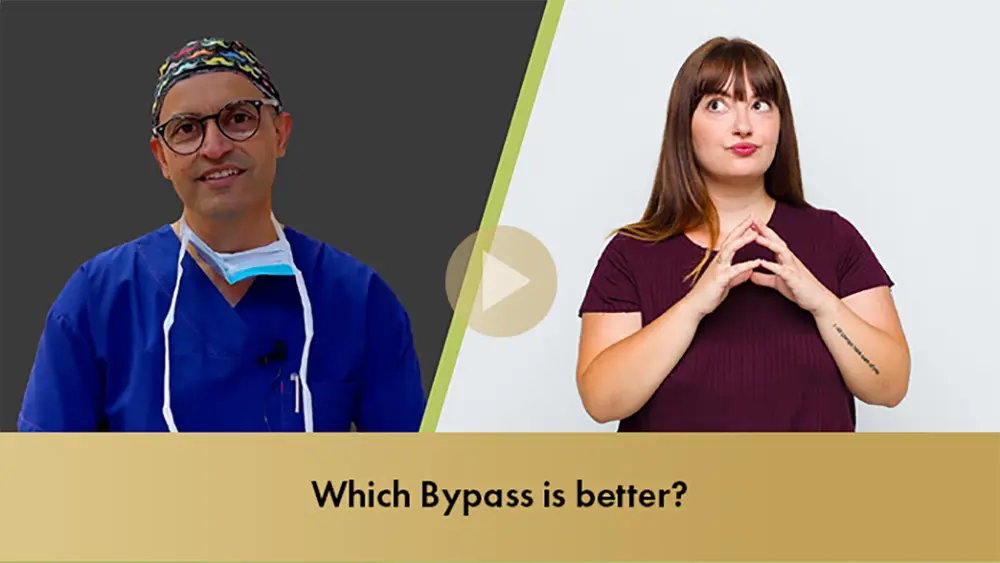
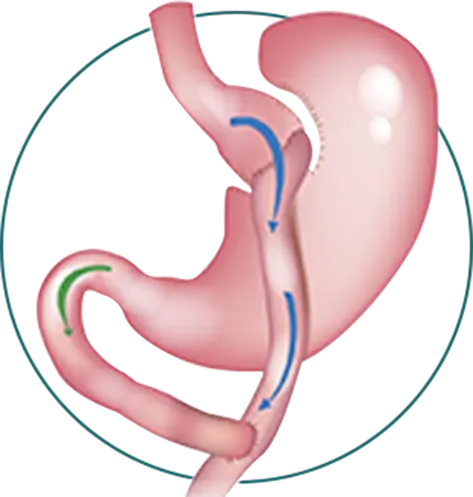
RNY Gastric Bypass could be a suitable option for you if you have
• A body mass index (BMI) greater than 40
• Or greater than 35 if you experience a
weight-related illness e.g. type 2 diabetes, hypertension, sleep apnoea etc.
Have significant reflux or heartburn
• Have had previous lap band or gastric stapling operations
- Reduces the physical space in your stomach – making you feel full with smaller portions of food.
- Hunger signals decrease & signals for fullness increase.
- Complex changes to your metabolism, gut bacteria, hormones and digestion post-surgery also contribute to your ability to lose weight.
- A fewer amount of calories are absorbed from food.
- Around 25-35% of your total body weight. Results can vary.
Dr. Arun Dhir explains how to choose the best weight loss surgery option.


When should I consider bariatric surgery?
Bariatric surgery is usually offered to people who are very obese (with a body mass index over 40), or people with a body mass index over 35 who have other serious health problems like diabetes or heart disease.
You could consider bariatric surgery, but only after trying alternatives. The first step is usually to try changes to what you eat and drink, and what daily activity and exercise you do. There are some medicines that can help people lose weight. Surgery is usually thought about only after these other options have been tried.
The health benefits of weight loss include improvements in type 2 diabetes, lower blood pressure and improved heart health.
What are the risks of Bariatric Surgery?
Every operation has risks. You might pick up an infection, lose a lot of blood, or react to the anaesthetic. Also, smoking can increase your risk significantly and if you are a heavy smoker, we require you to quit smoking at least eight weeks prior to surgery.
There are different specific risks for the different types of bariatric surgery. For example, lap band surgery is safer than gastric bypass. Your surgeon will discuss these with you at your consultation.
10 Point Checklist
Download this FREE 10 Point Checklist before deciding about weight loss surgery
Ready to speak to one of our surgeon?
Book your 30-minute consultation with Dr. Arun Dhir now.
Bariatric Surgery FAQ's
Before weight loss surgery, your surgeon will likely order several medical tests to assess your overall health and identify any potential risks that could affect the safety of the surgery. Some of the common medical tests that you may need before weight loss surgery include:
1. Complete blood count (CBC): This test measures the levels of red and white blood cells, hemoglobin, and platelets in your blood.
2. Blood chemistry tests: These tests measure the levels of different chemicals in your blood, including electrolytes, glucose, liver enzymes, and kidney function markers.
3. Lipid profile: This test measures the levels of different types of cholesterol and triglycerides in your blood.
4. Fasting blood sugar test: This test measures your blood sugar levels after an overnight fast to check for diabetes or insulin resistance.
5. Liver function tests: These tests assess the health of your liver, which is important for metabolizing fat after surgery.
6. Electrocardiogram (ECG): This test measures the electrical activity of your heart and can help detect any heart problems.
7. Pulmonary function tests: These tests measure how well your lungs are functioning and can identify any respiratory problems.
8. Upper endoscopy: This test involves inserting a small camera into your oesophagus (food pipe) and stomach to check for any abnormalities or potential complications.
Your surgeon may also recommend additional tests based on your specific medical history and the type of weight loss surgery you are undergoing. It’s important to follow all pre-surgical instructions and undergo all recommended tests to ensure the safest and most successful outcome.
Surgery gives you the physical tools to assist with weight loss. You must be committed to making the emotional and physical changes necessary after weight loss surgery. This commitment will ensure successful weight loss and long-term weight maintenance.
Lack of exercise, poorly balanced meals, constant grazing, eating processed carbohydrates and drinking sweet drinks (Sodas and shakes) are some of the most common preventable causes of failure to achieve adequate weight loss and maintain it.
If you have been struggling to lose weight for a long time or medical problems have started to creep up, then surgery could be an option for you.
Weight loss surgery can greatly help morbidly obese individuals who have been unsuccessful with other weight loss treatments.
Eligible individuals for weight loss surgery would usually have a body mass index or BMI of 35 or greater however, each patient is evaluated individually depending on medical conditions such as diabetes, sleep apnea and high cholesterol.
Weight loss surgery can greatly improve your quality of life and mobility. You feel more energy and can sleep better. Studies show that significant weight loss can also reduce your risk of heart attacks and certain cancers. It is best to discuss this further with your medical practitioner.
Following weight loss surgery, the most weight loss will occur within the first six months.
It will start to slow after that but can continue for a total of 12-18 months. You may intermittently have plateaued in your weight loss for up to a month. This is usually an indication that you are eating too many carbohydrates or calories and/or not exercising enough. Take this as a sign to re-examine your eating and exercise habits.
Most patients’ weight will plateau after 18-24 months After this time, additional weight loss may be difficult. Weight regain may also occur if too many calories are consumed, exercise is discontinued or old habits, such as grazing, snacking, or poor eating habits return. This is where it is important to reassess your habits